Of the Greek City States ?was the Most in the History of Art
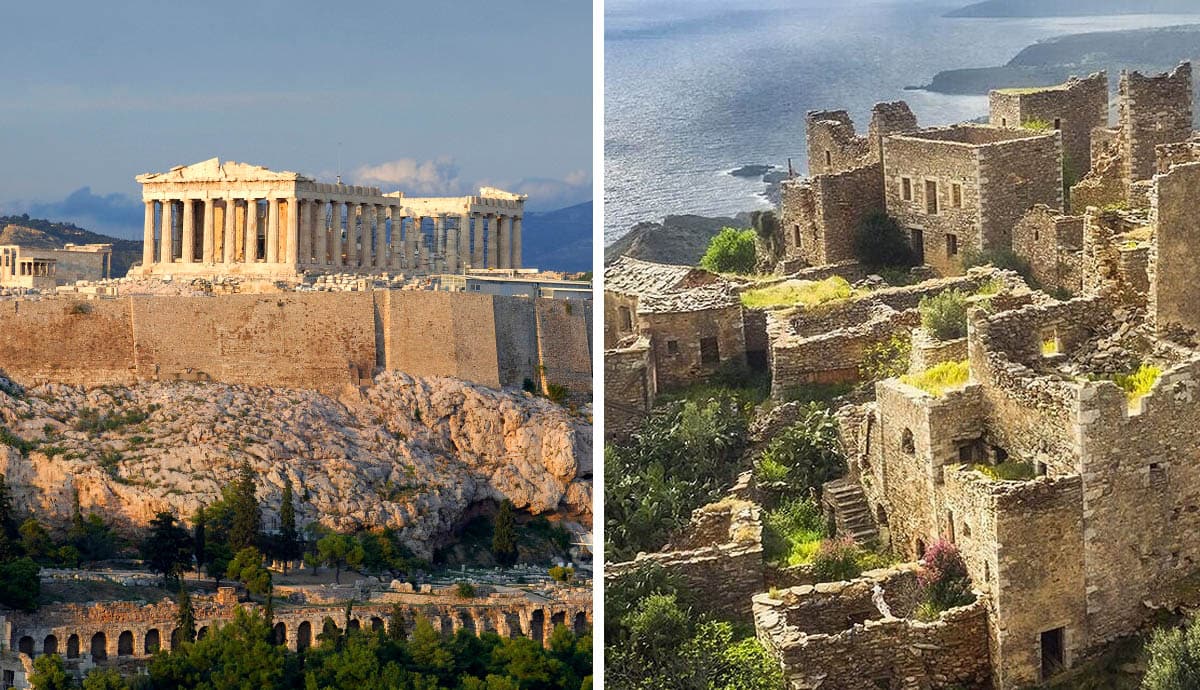
City states, also known as polis, were the split communities of ancient Greece. Starting as simply a few divided areas of land, the polis expanded into over 1,000 different cities. Each had their own governing laws, community and interests. Barrier walls surrounded their peripheries, to protect them from outside invasions. Many had a temple built on superlative of a loma, or acropolis, looking out across the land from a high vantage betoken. Although the concept of city states no longer exists, many of the erstwhile polis yet operate as cities or towns throughout the Mediterranean today. Let's take a look through the all-time-known and culturally rich urban center states from aboriginal Greece.
Athens

As today's majuscule of Greece, Athens must surely exist the near famous city state of ancient times. In fact, today it has more than 5 1000000 inhabitants! Athenians valued the arts, education and architecture. Much of the architecture built while Athens was a city land still exists today, including the Parthenon, the arch of Hadrian and the Acropolis. They ploughed coin into their navy to protect them from foreign invasions, and its port, the Piraeus, was home to ancient Greece's biggest fleet of ships. Athenians invented the concept of republic, assuasive every citizen to vote on societal issues.
Sparta

Sparta was ane of ancient Greece'southward largest and most powerful urban center states. It was an almighty powerhouse, with the strongest army of whatever urban center state in the whole of ancient Greece. In fact, all Spartan men were expected to become soldiers, and trained from a young age. They too enjoyed sports, including footraces. Two kings and a team of elders ruled Sparta. This meant Spartan club was far from autonomous, with a tiered arrangement of social classes. At the tiptop were the Spartans, who had ancestral links to Sparta. Perioikoi were new citizens who had come to live in Sparta from other locations, while the helots, who made up the majority of Spartan society, were agricultural workers and servants to the Spartans. Today, Sparta exists in a much smaller country, equally a town in the Peloponnese region of southern Hellenic republic.
Thebes

Are yous enjoying this commodity?
Sign up to our Gratis Weekly Newsletter
Please check your inbox to actuate your subscription
Thank you!
Thebes was another leading urban center state in ancient Greece which became a bitter and vehement rival to Athens and Sparta. Today it survives as a busy market boondocks in Boeotia in fundamental Greece. In ancient times, Thebes had almighty military ability, and fifty-fifty sided with Farsi King Xerxes in the Persian State of war against the Greeks. In Byzantine times Thebes was a humming and industrious metropolis, famous for various commercial ventures, particularly its lavish silk production. But Thebes is perhaps near famous equally a popular setting for Greek myth, where the stories of Cadmus, Oedipus, Dionysus, Heracles and others unfolded.
Syracuse
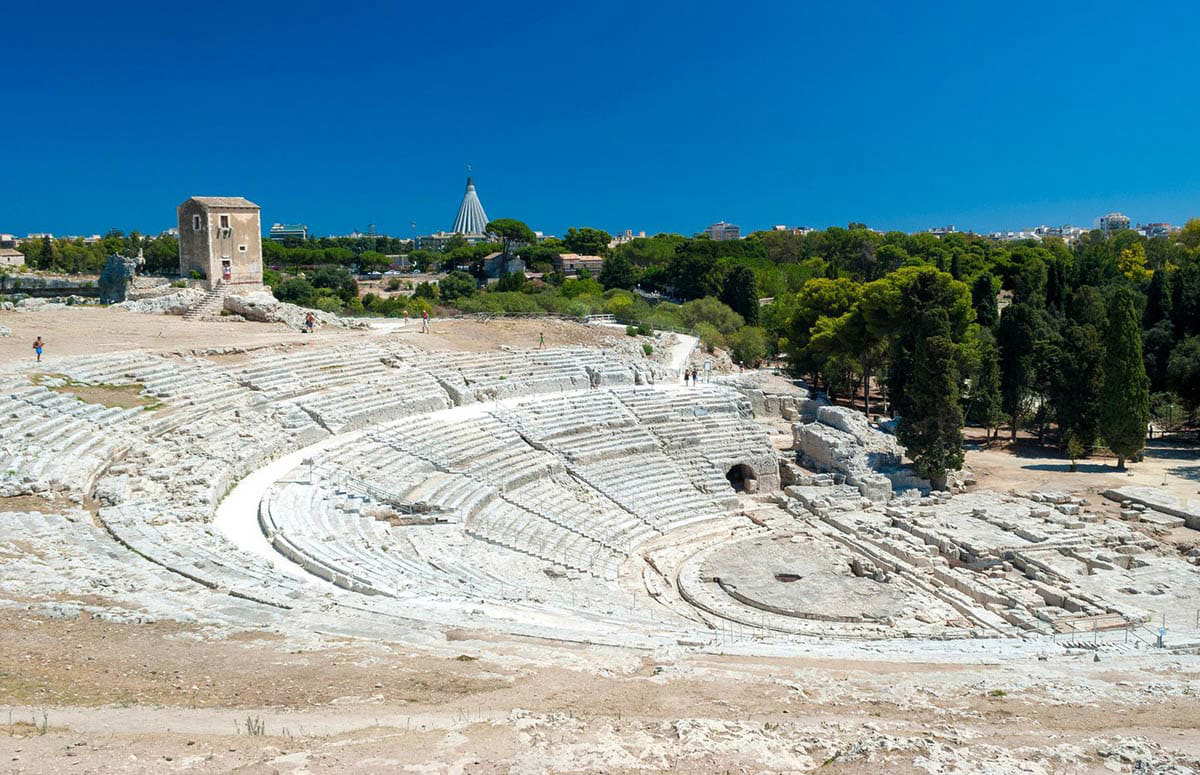
Syracuse was a Greek metropolis land at present situated on the south-eastern coast of Sicily. In the 5 th century BCE, it became a thriving urban center, attracting citizens from all across ancient Greece. During this tiptop the city was run by a wealthy, aristocratic government which funded the product of temples defended to Zeus, Apollo and Athena, the remains of which nonetheless exist today.
Similar Athens, Syracuse was predominantly ruled past a autonomous authorities, allowing its vast population of over 100,000 people a say in the urban center's political climate. The metropolis famously built a huge theatre that could house up to 15,000 people and was adorned with a terrace and stone statues, and an channel that provided citizens with fresh running water. Critics too point out how brutal the metropolis's past once was; prisoners of war quarried the rock that built the metropolis of Syracuse, and their lives were a living hell.
Source: https://www.thecollector.com/what-were-the-city-states-of-ancient-greece/
0 Response to "Of the Greek City States ?was the Most in the History of Art"
Post a Comment